
DISCOVER A TIMELESS HISTORY
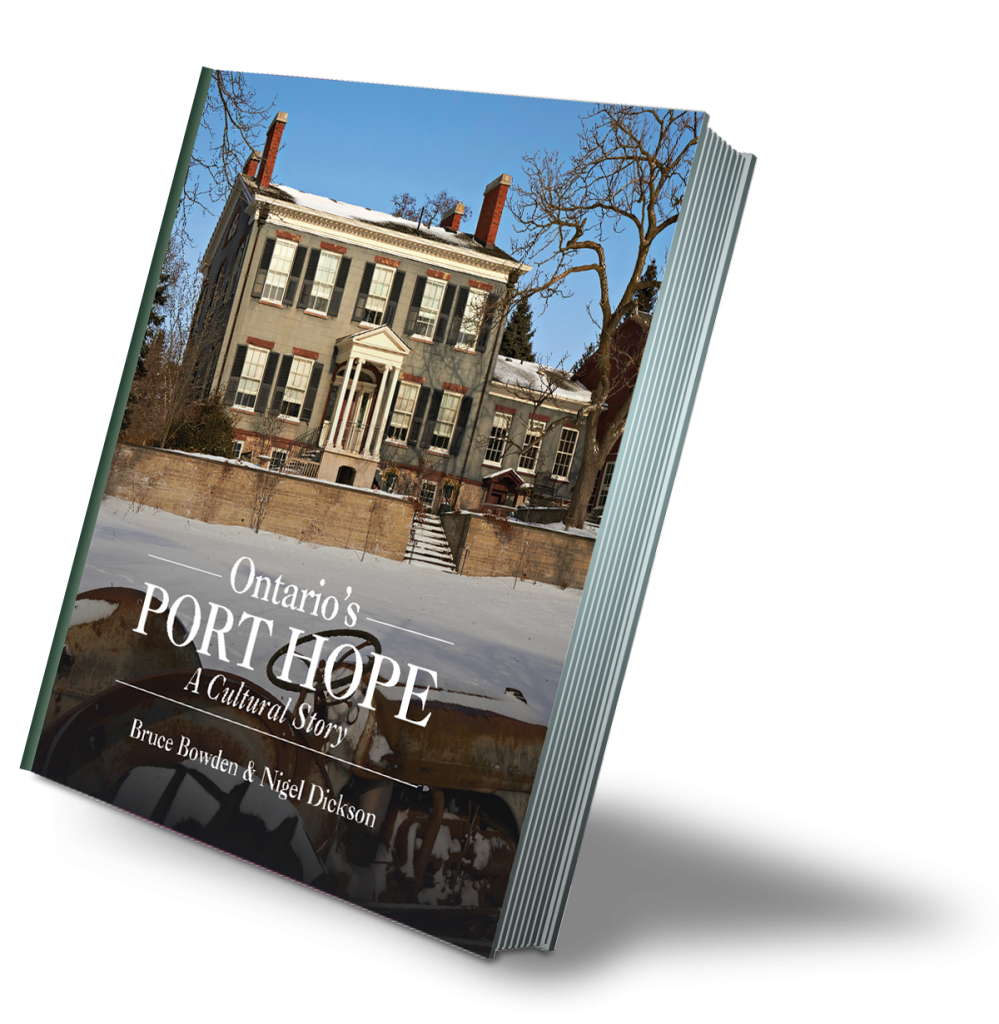
ONTARIO’S PORT HOPE
A Cultural Story
Text by Bruce Bowden
Photographs by Nigel Dickson
WHAT TO EXPECT
A charming trip through history in “an engaging and exceedingly handsome” book
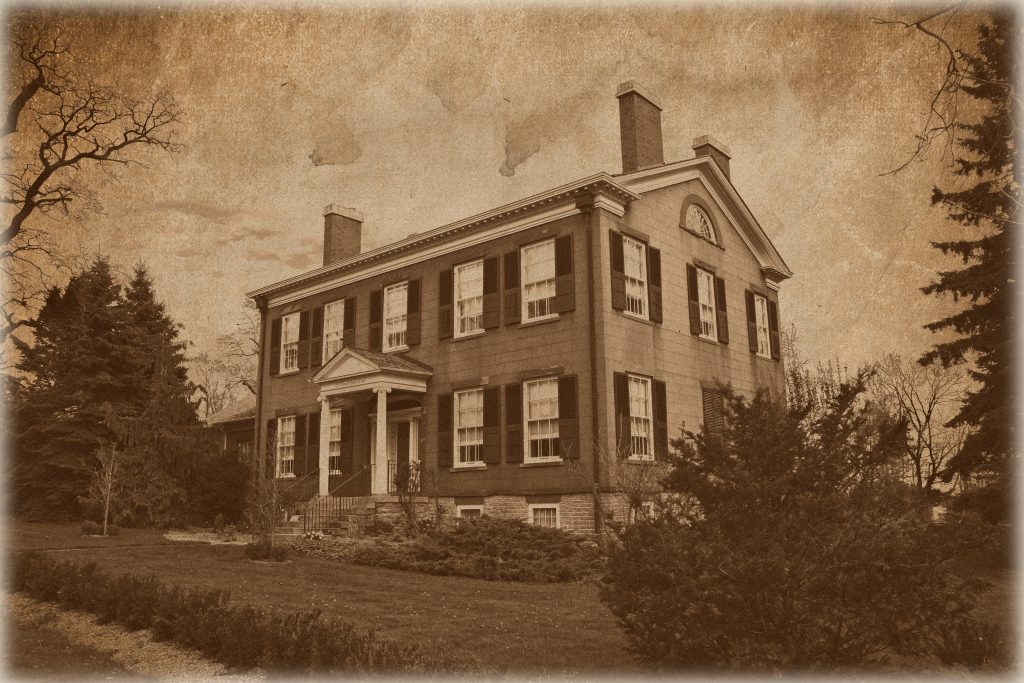
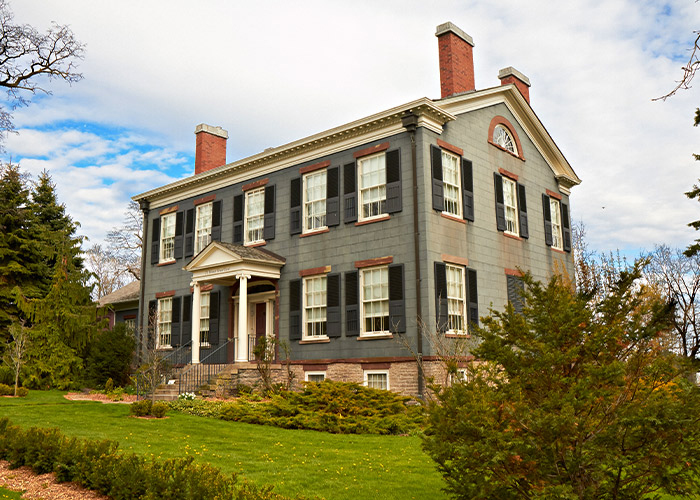
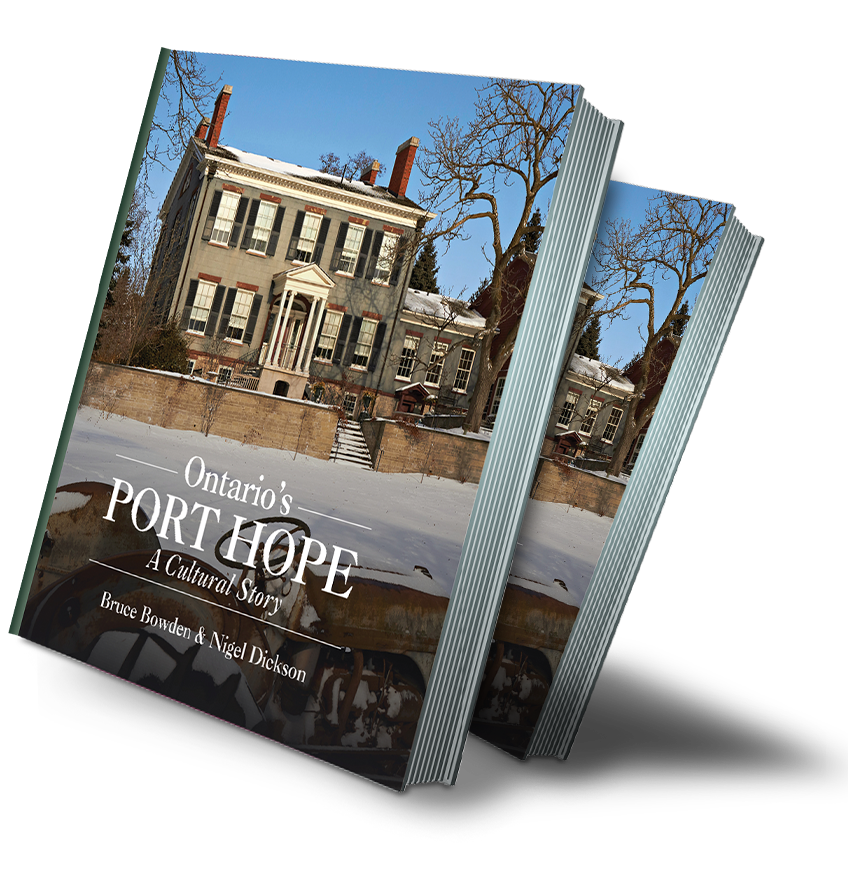
Intertwining architectural, historical, and cultural factors, Ontario’s Port Hope examines the distinctive story of Port Hope and the grand house of its founding era, known as the Bluestone.
The book places them into the context structured by Britain, the colony’s proximity to the United States, and by Upper Canada’s residents themselves. From that combination, Ontario would build its own identity.
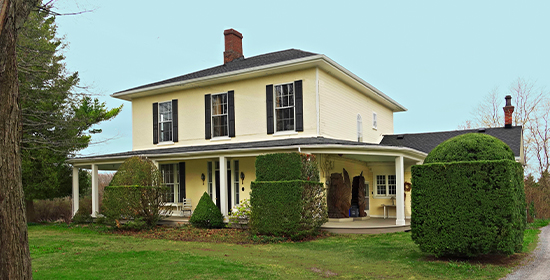
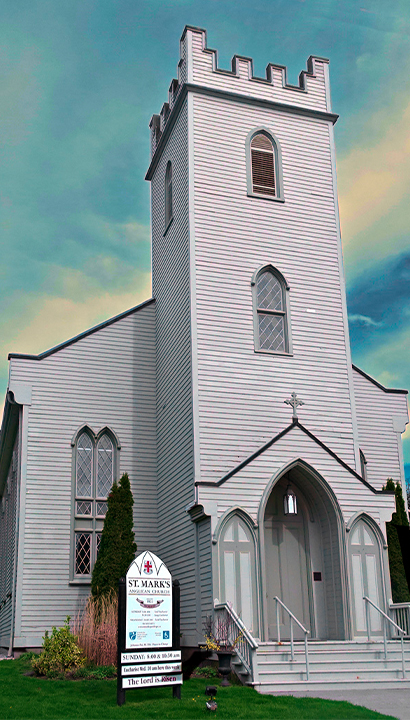
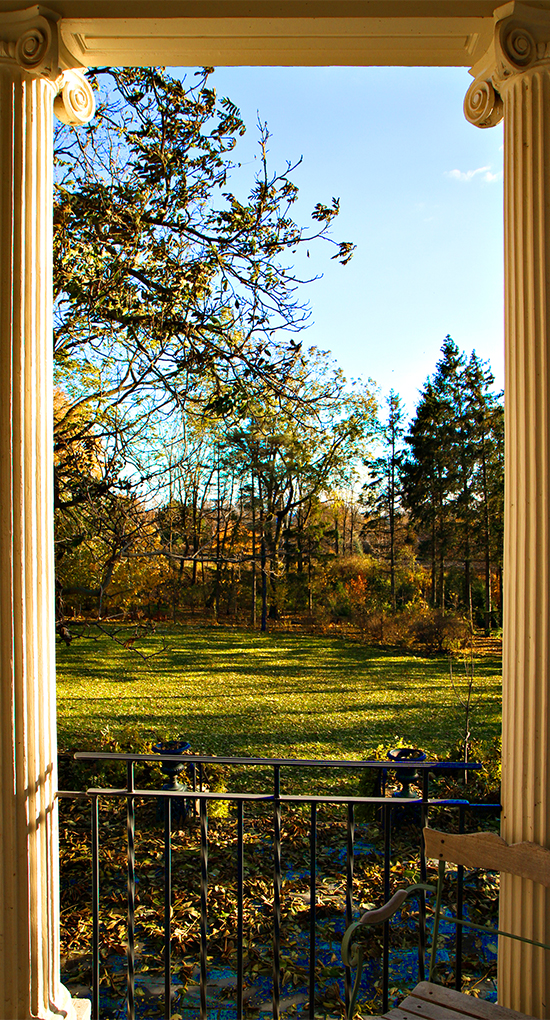
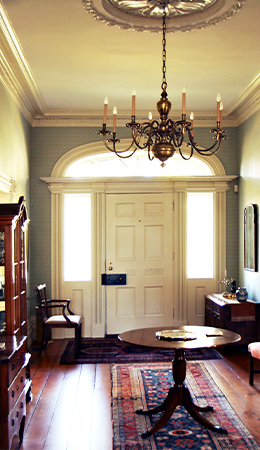
The book features 40 images of the Bluestone, as well as over 70 other homes and churches.
“This is a book, which can be savoured and enjoyed on so many levels, and may serve as a model for further studies of Ontario’s historical communities.”
ABOUT THE BOOK
ARCHITECTURE
What do buildings say?
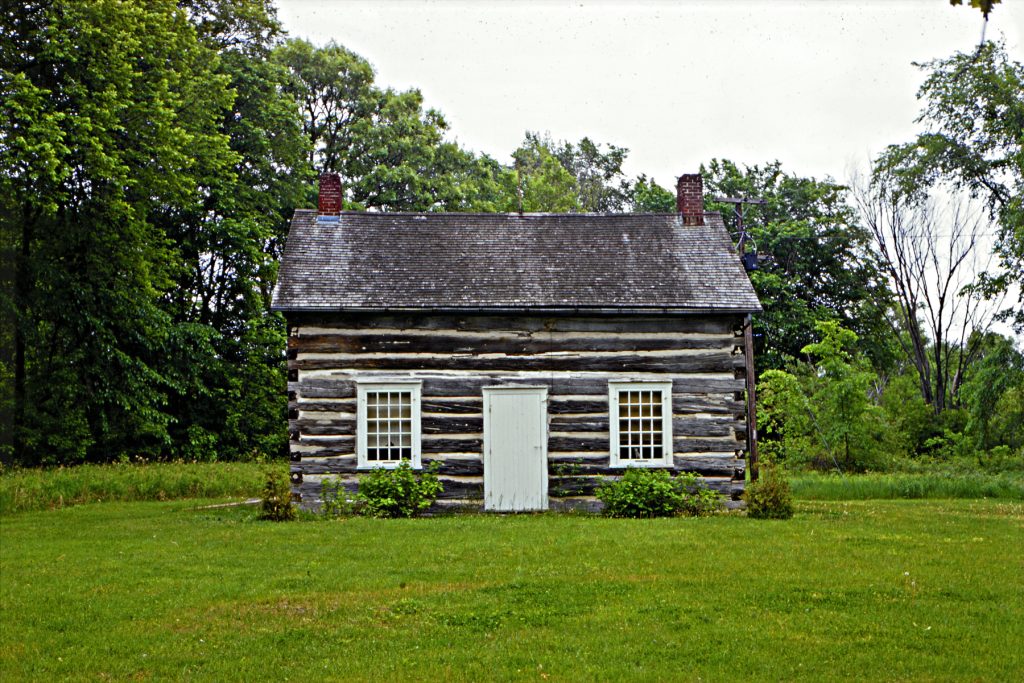
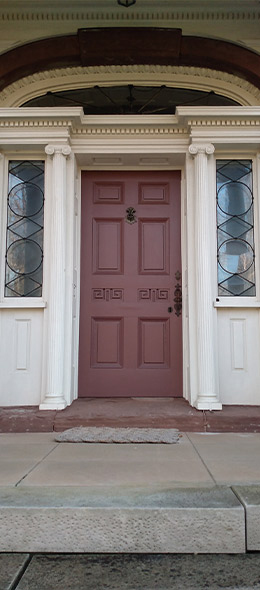
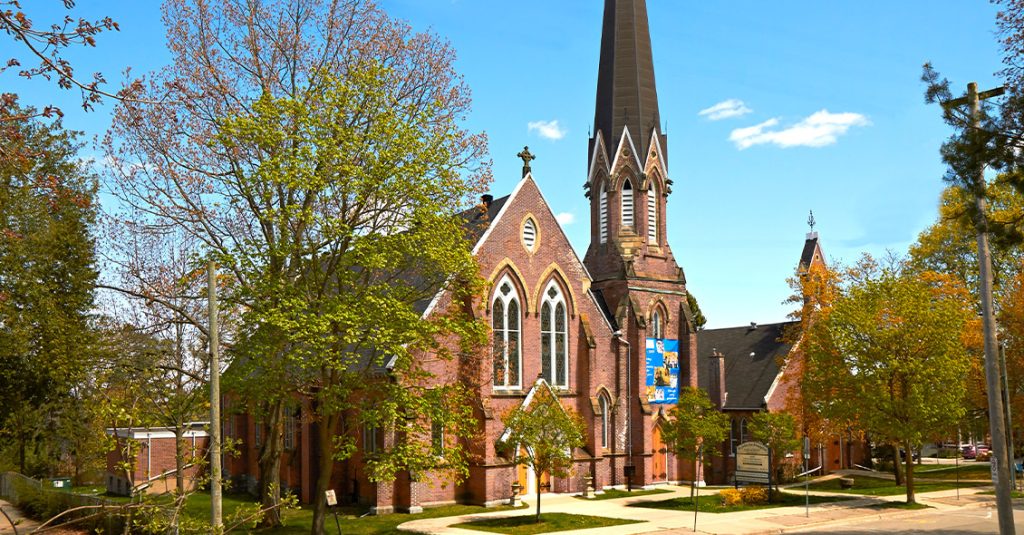
The featured buildings of the town were made by a small group of craftsmen who were responding to a variety of community, artistic, physical, and economic influences as the nineteenth century progressed.
HISTORY
Can we read History in a landscape?
The book is an historical study, but, instead of a narrative of settlement or political and social evolution, it shows how the colony’s originating cultural context evolved as the century progressed. “Georgian architecture proved to be both a flexible and lasting culture.“

CULTURE
Did fresh influences replace the old or were they absorbed into that fabric?
In Ontario, “most outstanding is how groups of buildings….. show an interesting relationship one to another in a given area, but do not conform to a formal canon of Classical or Gothic style.” This is best seen within a single community.

gold box
BRUCE BOWDEN
Author
While residing in Port Hope, Bruce has been an active Board member in several cultural organizations, including Port Hope’s chapter of the Architectural Conservancy of Ontario.
His university career included teaching Canadian History at Concordia University in Montreal, Western in London and the University of Toronto. At Western and then at Trinity College, U of T., this was combined with a variety of administrative roles, including as the initial coordinator of Western’s MA in Public History, and at Trinity, as Dean and Registrar.
NIGEL DICKSON
Photographer
Nigel opened his own studio in Toronto in 1979, a few years after departing London, England. He is an award-winning photographer with leading magazines, while also contributing portraits published in major newspapers.
He is particularly known as a portrait photographer. These have been published in three books, including his own retrospective Stand Still, published by Key Porter in 2007. The Royal Ontario Museum featured an exhibition of his art.
orange box

HIGHLIGHTS
“I discovered Port Hope in the summer of 1971 when I took to the road to read early Ontario’s landscape.”
“Undertaken as an escape from closely reading letters and documents in the Archives of Queen’s University, I sought out a different method of discovery” in order to understand and feel the setting of early Ontario.
gold box
“Port Hope provides a cultural landscape of Ontario’s opening decades.”
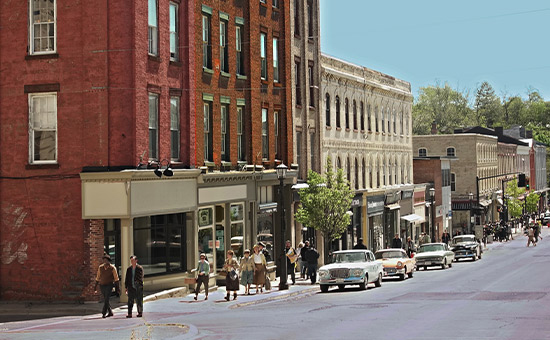

“The “setting” of a location can be deceptively difficult to interpret.”
“The village or Port Hope began in 1793 with the arrival of six families disembarking at the mouth of the Ganaraska River. Shallow, with low shores near its mouth that might be bridgeable with wooden and rubble stone piers, the river flowed smoothly, though with occasional low rapids inland.”
WHERE TO PURCHASE
Would you like to get your hands on a copy?
If you wish to purchase the book in person, you can visit:
FURBY HOUSE BOOKS
65 Walton Street, Port Hope